
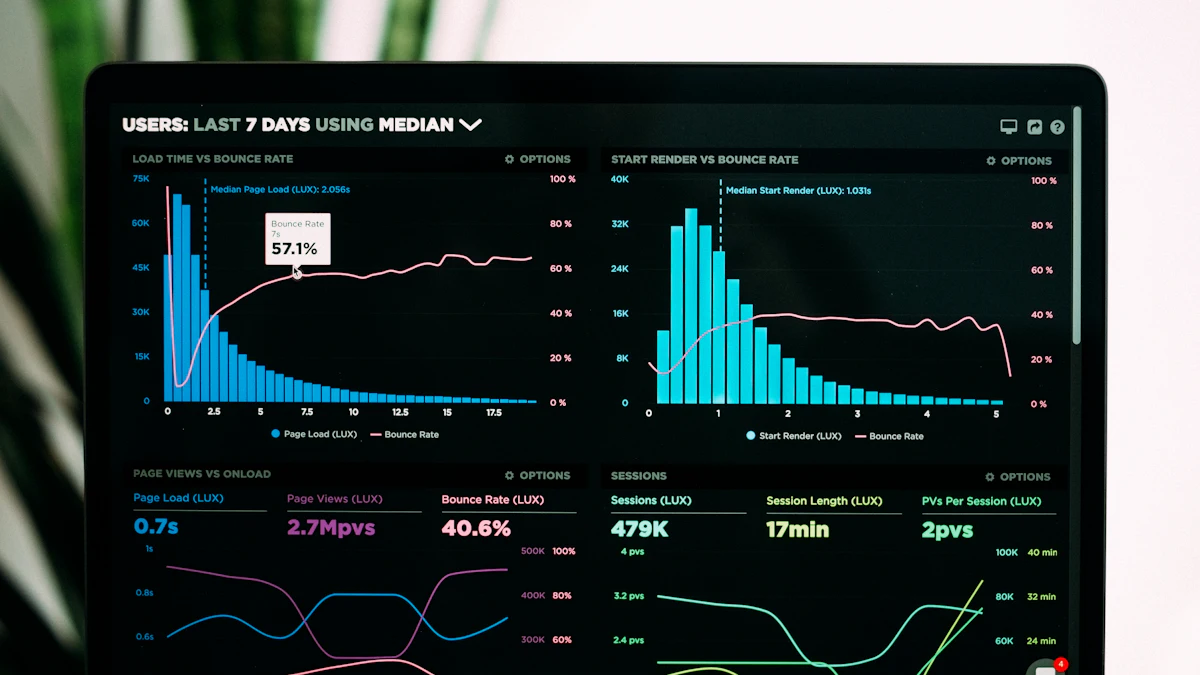
Google wants to send searchers to pages that load quickly and feel smooth. Core Web Vitals are the metrics it uses to measure that experience. Beyond SEO, speed has a direct effect on sales — slow pages lose visitors before they ever see your offer, especially on mobile networks.
The three Core Web Vitals
| Metric | What it measures | Good score |
|---|---|---|
| LCP — Largest Contentful Paint | How fast the main content (hero image or heading) appears | 2.5 seconds or less |
| INP — Interaction to Next Paint | How quickly the page responds when users click or tap | 200 ms or less |
| CLS — Cumulative Layout Shift | How much the layout jumps around while loading | 0.1 or less |
How to check your scores
Use Google PageSpeed Insights for a quick check, and the Core Web Vitals report in Google Search Console to see real-user data across your whole site.
How to improve LCP
- Compress images and serve modern formats like WebP or AVIF.
- Don't lazy-load the hero image — preload it instead.
- Use a fast host and a CDN close to your users.
- Remove render-blocking CSS and JavaScript where possible.
How to improve INP
- Reduce heavy JavaScript and break up long tasks.
- Audit third-party scripts — chat widgets, trackers and ad tags add up fast.
- Defer non-critical scripts until after the page is interactive.
How to improve CLS
- Always set width and height on images and videos.
- Reserve space for banners, ads and embeds.
- Use
font-display: swapand preload key fonts.
Quick win: On most small business sites, simply resizing and converting images to WebP noticeably improves load times.
Speed is a business metric
Every second counts. Faster pages mean lower bounce rates, more pages per visit and higher conversion rates — and better rankings on top. If your website feels slow, our web development and technical SEO services include a free speed audit. Contact us to get started.